Aug 28, 2026
Fastest, Most Powerful SUVs in Canada for 2026: Gas, Hybrid & Electric
Power and speed used to belong to sports cars. In 2026, the fastest, most powerful SUVs in Canada span gas-powered legends, plug-in hybrids, and electric performance SUVs that out-accelerate most supercars, all while hauling the family and the dog.
TL;DR
The most powerful SUVs in Canada for 2026 top out well over 1,000 horsepower, led by the electric Porsche Cayenne Turbo Electric and the hybrid Lamborghini Urus SE. Gas-powered icons like the Dodge Durango Hellcat and Ferrari Purosangue still hold their own, while new electric and hybrid performance SUVs from Hyundai, BMW, and Porsche prove that instant torque can be just as thrilling as a V8. Whether you want a twin-turbo engine, a plug-in hybrid, or a fully electric powertrain, today's performance SUV lineup delivers supercar-like acceleration without giving up all-wheel drive, cargo space, or, in most cases, room for four.
Key Takeaways
- The Porsche Cayenne Turbo Electric is the most powerful production Porsche ever built, with up to 1,139 horsepower.
- Gas-powered performance SUVs like the Dodge Durango Hellcat and Cadillac Escalade-V still deliver some of the quickest acceleration in the segment.
- Lamborghini's Urus is now hybrid-only for 2026, with the Urus SE making 789 combined horsepower and roughly 56 km of electric range.
- Electric performance SUVs, including the Hyundai IONIQ 5 N, prove instant torque can be just as fun as a V8, with a race mode, simulated gearshifts, and 0-100 km/h in 3.4 seconds.
- Super-SUVs from Ferrari, Aston Martin, and Bentley now start well north of $250,000, while more attainable performance SUVs like the Ford Explorer ST start closer to $65,000.
- If outright speed isn't the priority, comfortable, practical all-rounders like the Honda Passport remain a smart, budget-friendly alternative.
In This Article
- The 5 Highest-Horsepower SUVs in Canada
- Other Powerful SUVs for the Sport-Ute Crown
- Best Electric Performance SUVs for 2026
- Best Hybrid Performance SUVs for 2026
- Best Luxury Performance SUVs for 2026
- Comparative Performance: How They Stack Up
- Innovations Driving Today's Performance SUVs
- FAQ
Updated for 2026: New Makes, Models, and Powertrains
The performance SUV segment keeps shifting, and 2026 brought some of its biggest changes yet. Porsche fully electrified the Cayenne lineup this year with the base Cayenne Electric, the mid-tier Cayenne S Electric, and the 1,139-horsepower Cayenne Turbo Electric, making it the most powerful production Porsche of any kind, gas or electric. Lamborghini retired the gas-only Urus S and Urus Performante entirely, so the only Urus you can buy for 2026 is the plug-in hybrid Urus SE. Land Rover introduced a hardcore Range Rover Sport SV, Aston Martin added a track-focused DBX S above the existing DBX707, and Bentley brought the Bentayga Speed back with a new twin-turbo V8 in place of the old W12.
Not every update is an addition. Alfa Romeo discontinued the V6-powered Stelvio Quadrifoglio back in 2024, leaving only the base 280-horsepower Stelvio in the lineup for now, with a promise that the Quadrifoglio name will return on an electrified platform down the road. Maserati made a similar move, retiring the Ferrari-built V8 in the Levante as the brand transitions toward an electric successor.
These changes reflect a broader shift across the segment. Automakers that once treated hybrid and electric powertrains as compromises are now using them to build the most powerful version of a given nameplate, not a watered-down one. It's a notable reversal from just a few years ago, when a plug-in hybrid trim usually meant less power than the top gas engine, not more.
If you're shopping for a high-revving SUV today, we carry some of these used models, including the Stelvio, Explorer, Wrangler, Durango, and Cayenne, at more affordable prices (with less horsepower, mind you). You can view them all here. Or if you'd rather finance something newer, it's worth getting pre-approved for a car loan before you shop, so you know your budget before you fall in love with a base model or a fully loaded one.
The 5 Highest-Horsepower SUVs in Canada
A "performance SUV" is generally defined as a sport-utility vehicle tuned for speed, handling, and acceleration well beyond its mainstream trim, usually through a bigger engine, an electric motor, or both, plus stiffer suspension, bigger brakes, and a dedicated all-wheel drive system. Nearly every SUV on this list carries a premium or high-end luxury price tag. Higher performance comes with a higher price, and if your budget affords it, these are the ones to seek out.
1. Porsche Cayenne Turbo Electric – 1,139 horsepower
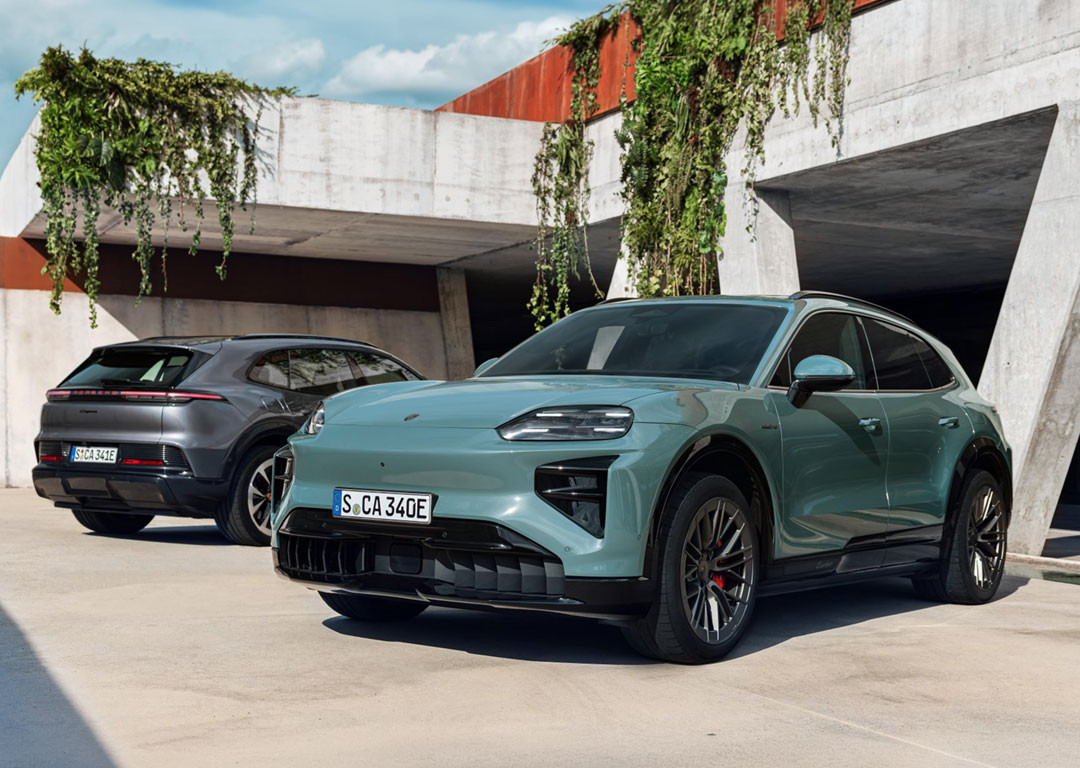
Porsche Cayenne Turbo Electric | Photo: Porsche
The most powerful production Porsche ever built isn't a two-seat sports car, it's a family-sized electric SUV. The Cayenne Turbo Electric uses dual electric motors to make an astonishing 1,139 horsepower and 1,106 lb-ft of torque, enough for 0-100 km/h in a claimed 2.4 seconds, quicker than a base 911. A Push to Pass button adds a short-term boost for another edge on the highway on-ramp. Porsche says the Cayenne Electric can charge from 10 to 80 percent in about 16 minutes on a fast enough charger, so a huge range isn't sacrificed for all that power.
2. Lamborghini Urus SE – 789 horsepower
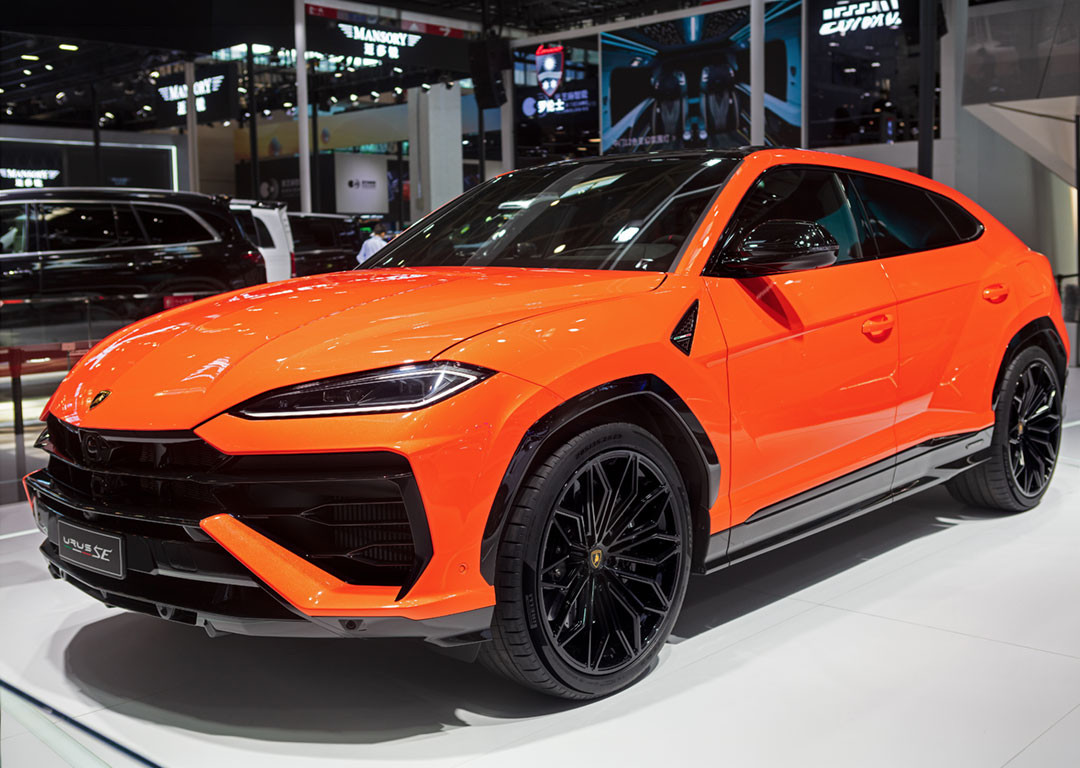
Lamborghini Urus SE | Photo: Eagle - stock.adobe.com
For 2026, Lamborghini discontinued the gas-only Urus S and Urus Performante, leaving the plug-in hybrid Urus SE as the only Urus you can buy. It pairs a twin-turbo 4.0-litre V8 with an electric motor for a combined 789 horsepower and 701 lb-ft of torque, along with about 56 km of electric-only driving before the V8 kicks in. It still hits 100 km/h in roughly 3.4 seconds. Purists may miss the old naturally-loud gas-only Urus, but the electrified version proves a plug-in hybrid powertrain can deliver more power, not less.
3. Ferrari Purosangue – 715 horsepower
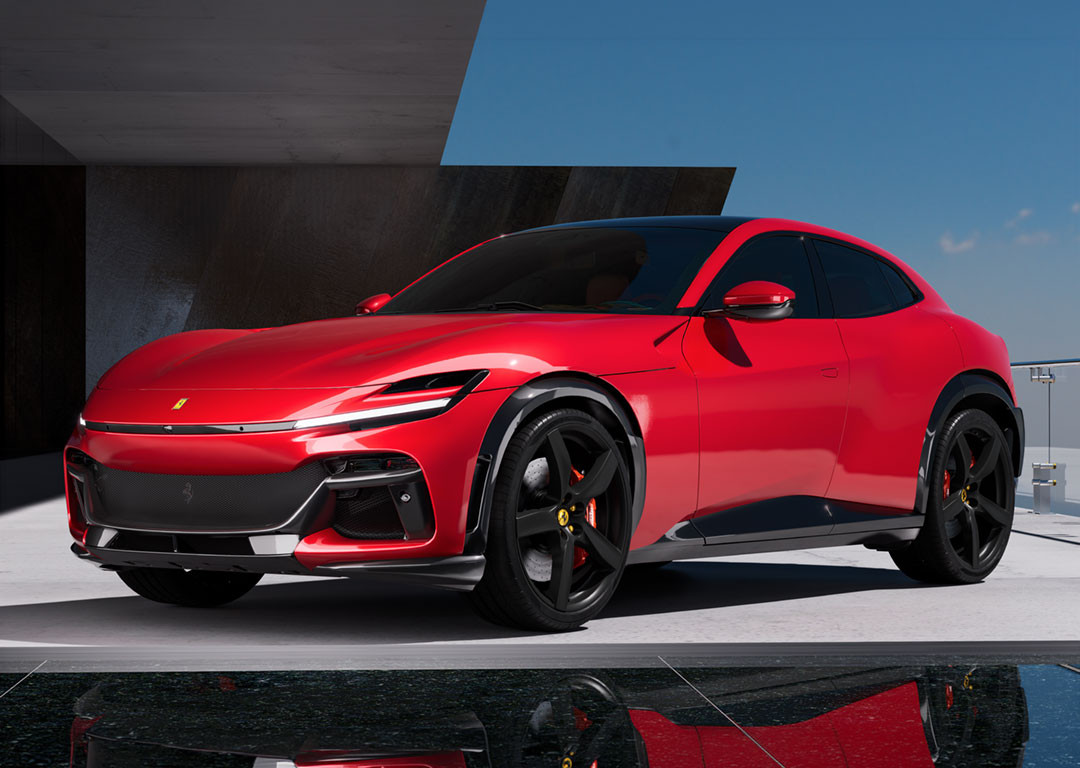
Ferrari Purosangue | Photo: Mike Mareen - stock.adobe.com
Ferrari resisted building an SUV longer than almost any other exotic brand, and when it finally did, it made sure the Purosangue, Italian for "thoroughbred," wouldn't feel like one. Ferrari's first SUV uses a naturally-aspirated 6.5-litre V12, an engine layout none of its rivals still offer, making 715 horsepower and 528 lb-ft of torque. It seats four in genuine comfort thanks to rear-hinged back doors, and it's properly luxurious inside, but with pricing north of $550,000 CAD as tested, it's firmly in a league of its own.
4. Aston Martin DBX707 and DBX S – up to 717 horsepower
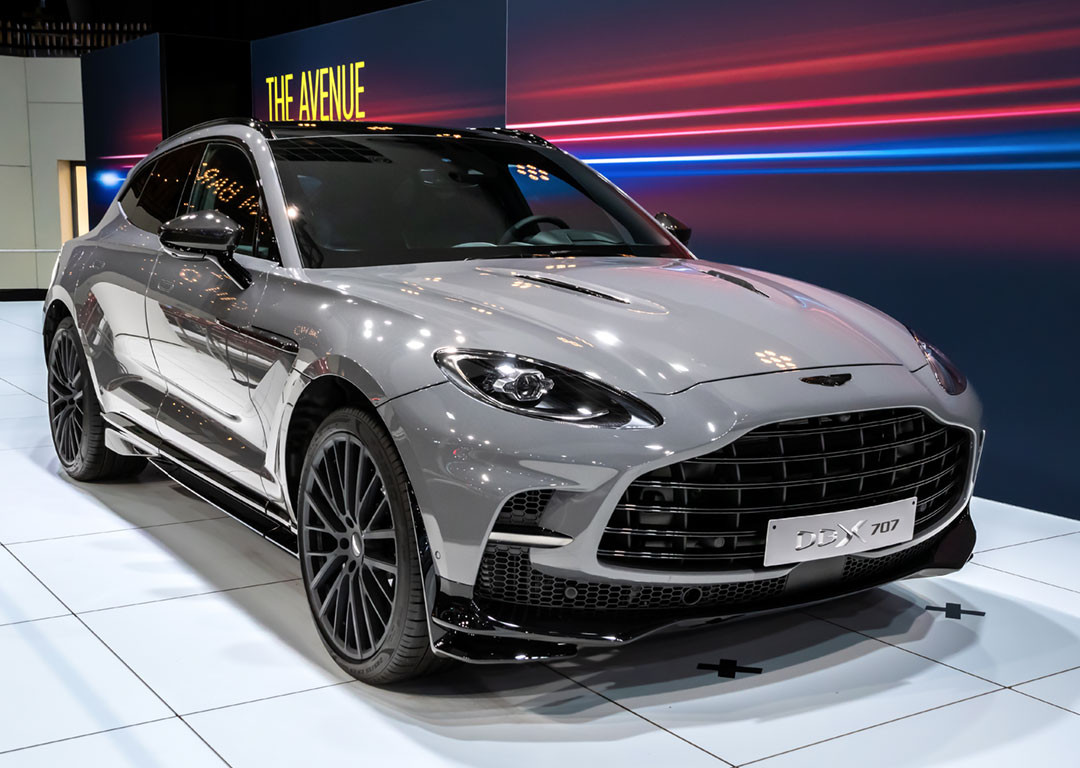
Aston Martin DBX707 | Photo: VanderWolf Images - stock.adobe.com
The Aston Martin DBX remains one of the most desirable performance SUVs on sale, and for 2026 it comes in two flavours. The DBX707 uses a Mercedes-AMG-sourced twin-turbo 4.0-litre V8 tuned to 697 horsepower and 663 lb-ft of torque, good for 0-100 km/h in about 3.3 seconds. The new DBX S pushes that to 717 horsepower using technology borrowed from Aston's Valhalla supercar, along with a carbon-fibre roof and unique interior trim. Both trims combine genuinely fun handling with a cabin that feels handbuilt rather than assembled.
5. Dodge Durango Hellcat – 710 horsepower
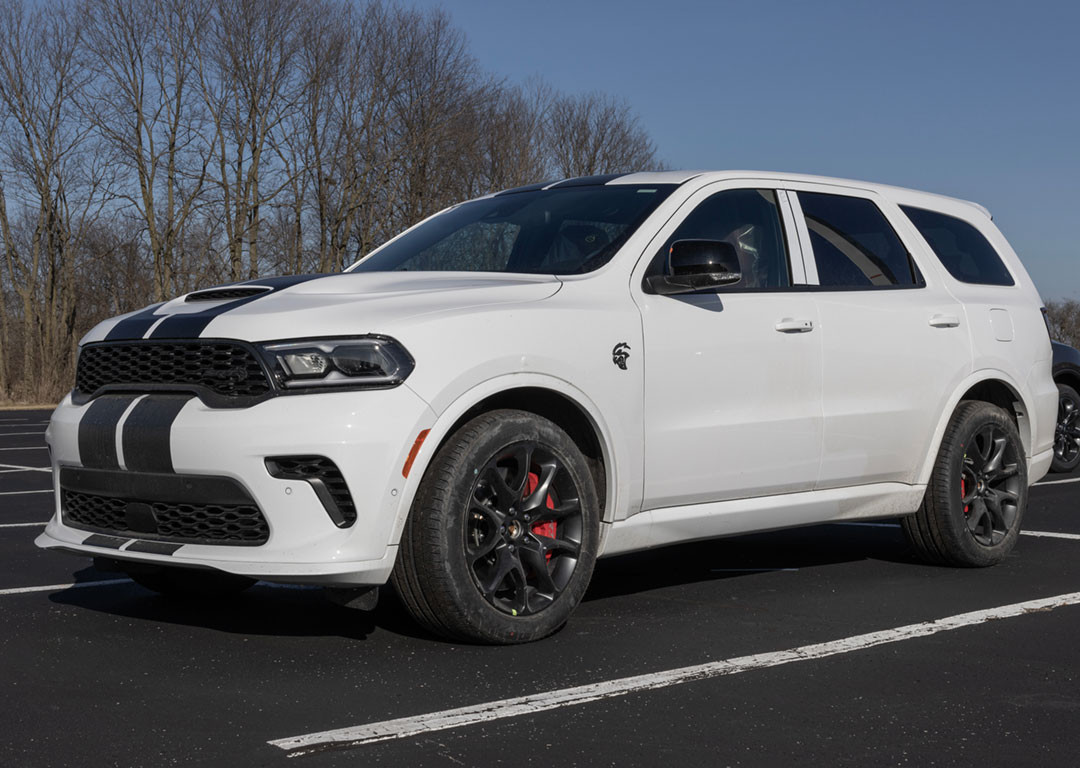
Dodge Durango Hellcat | Photo: jetcityimage - stock.adobe.com
Proof that old-school muscle isn't dead yet, the Durango Hellcat pairs a supercharged 6.2-litre Hemi V8 with an eight-speed automatic for 710 horsepower and 645 lb-ft of torque. It runs 0-96 km/h in about 3.5 seconds. Dodge originally planned to retire the V8 Durango after 2025, but strong demand pushed production out to at least 2028, and Hellcat pricing has actually dropped over the past couple of years. Unlike most of the SUVs on this list, the Durango still carries three rows of seats and can tow up to 8,700 lbs, so it makes much more sense as a family hauler than a Ferrari ever will.
The regular, non-Hellcat Dodge Durango made our list of the best mid-size SUVs in Canada.
Other Powerful SUVs for the Sport-Ute Crown
These SUVs didn't crack the top five, but each brings something worth knowing about, whether that's a famous badge, a bargain relative to its rivals, or a genuinely surprising amount of speed for the price.
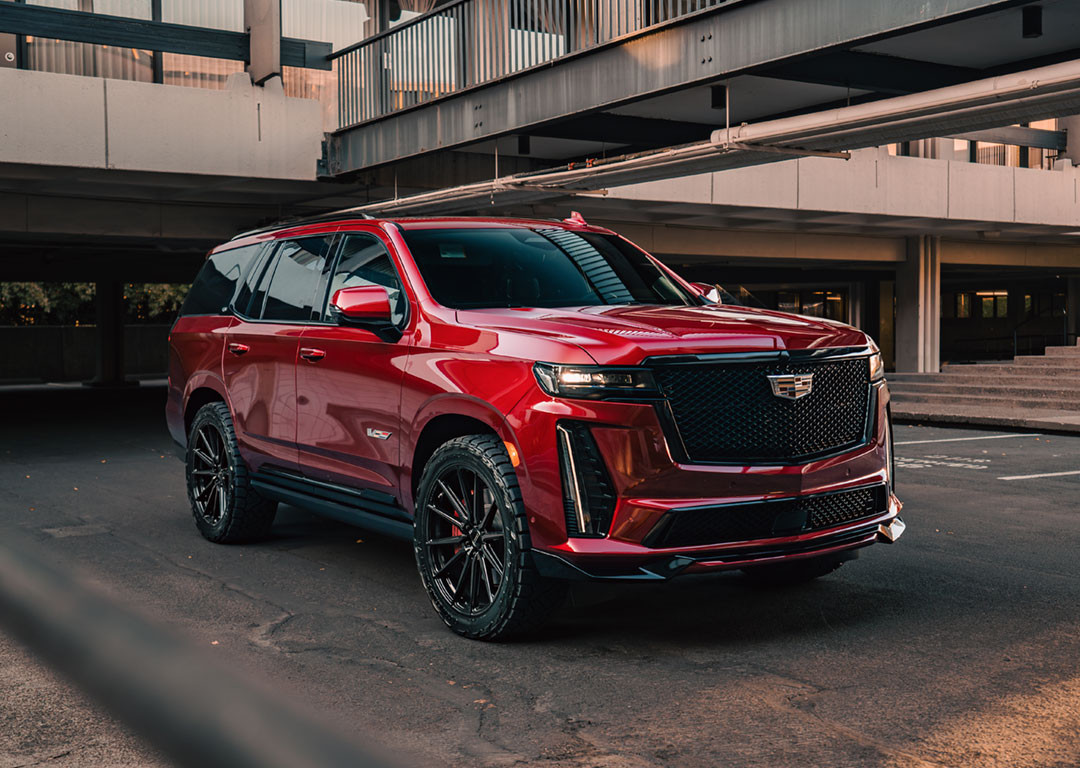
Cadillac Escalade-V | Photo:Brandon Woyshnis - stock.adobe.com
Cadillac Escalade-V – 682 horsepower. Caddy's biggest bad boy carries a supercharged 6.2-litre V8 making 682 horsepower and 653 lb-ft of torque through a 10-speed automatic, with 0-100 km/h in under 4.4 seconds. Standard equipment includes full-time all-wheel drive, an adaptive air suspension, and Magnetic Ride Control for a surprisingly comfortable ride given the power on tap. It's still one of the best luxury SUVs on our list, and it's covered in our guide to the best luxury SUVs in Canada.
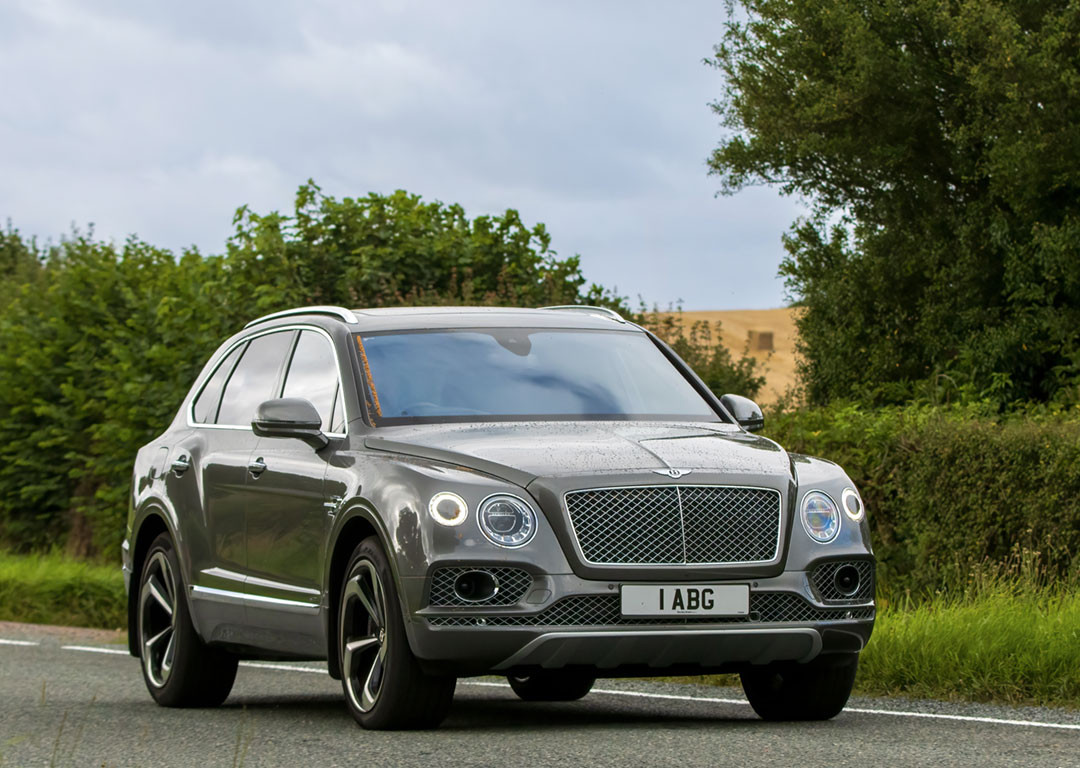
Bentley Bentayga Speed | Photo: sue - stock.adobe.com
Bentley Bentayga Speed – 641 horsepower. Bentley retired the Bentayga Speed's old W12 engine, but the model returned for 2026 with a twin-turbo 4.0-litre V8 that actually makes more power, 641 horsepower and 627 lb-ft of torque, along with a new Launch Control mode and an ESC Dynamic setting for controlled, hands-on drifts. It'll do 0-100 km/h in about 3.4 seconds while still coddling five passengers in typical Bentley luxury.
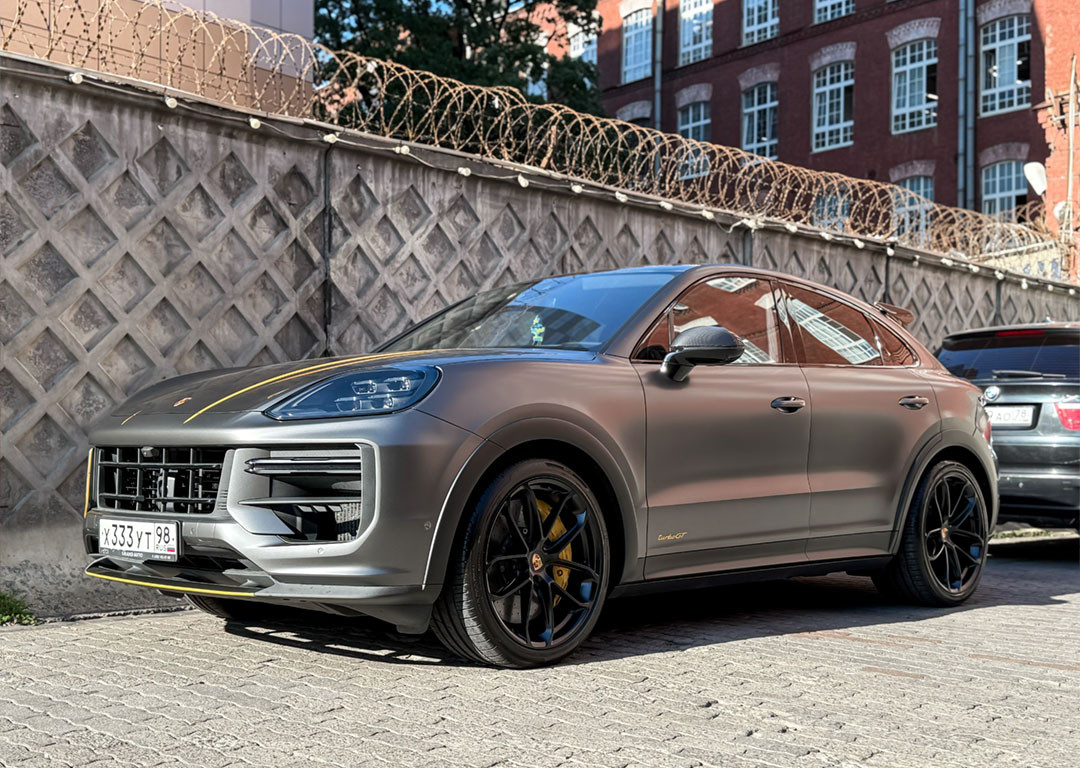
Porsche Cayenne Turbo GT | Photo:Dmitry Presnyakov - stock.adobe.com
Porsche Cayenne Turbo GT – 631 horsepower. For buyers who still want a gas-powered Cayenne, the Turbo GT uses a twin-turbo 4.0-litre V8 making 631 horsepower and 626 lb-ft of torque, with a lower ride height and 0-100 km/h in 3.3 seconds. All our used, certified Porsche Cayennes and Macans can be found here.
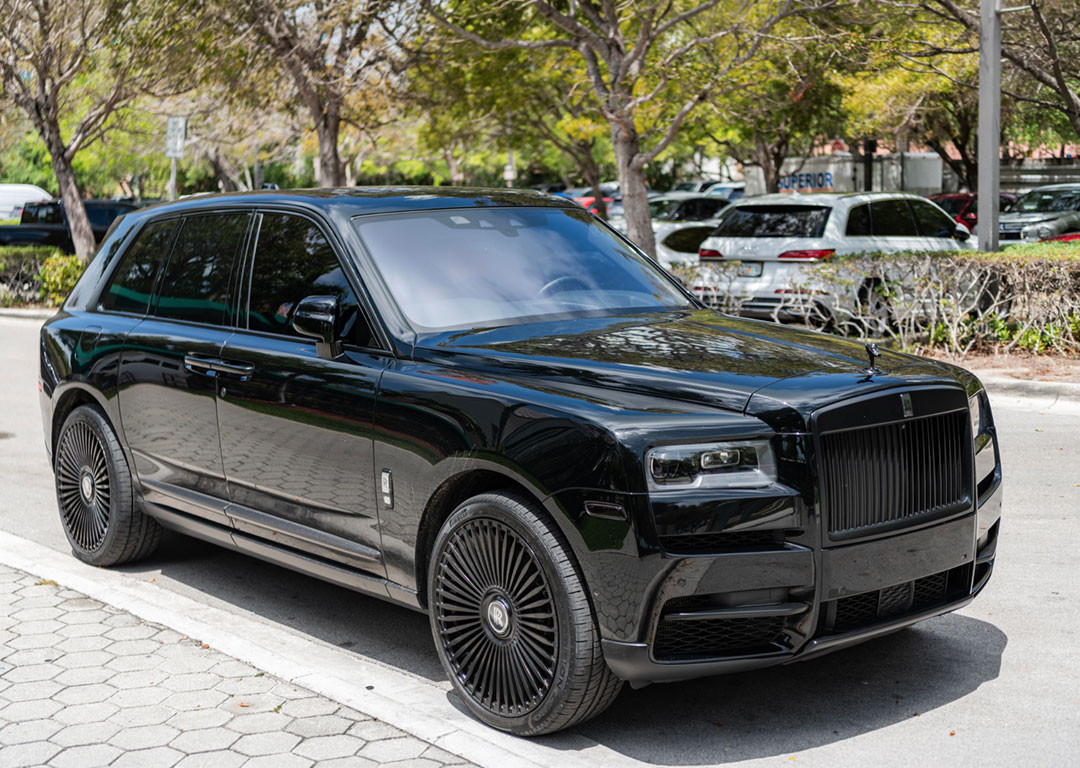
Rolls-Royce Cullinan Black Badge | Photo: be free - stock.adobe.com
Rolls-Royce Cullinan Black Badge – 591 horsepower. The world's best-known luxury automaker offers its 6.7-litre V12 with up to 591 horsepower and 664 lb-ft of torque in Black Badge trim, hitting 100 km/h in about 5.2 seconds. It's ridiculous, over-the-top luxury with real power behind it, and pricing starts around $475,000.
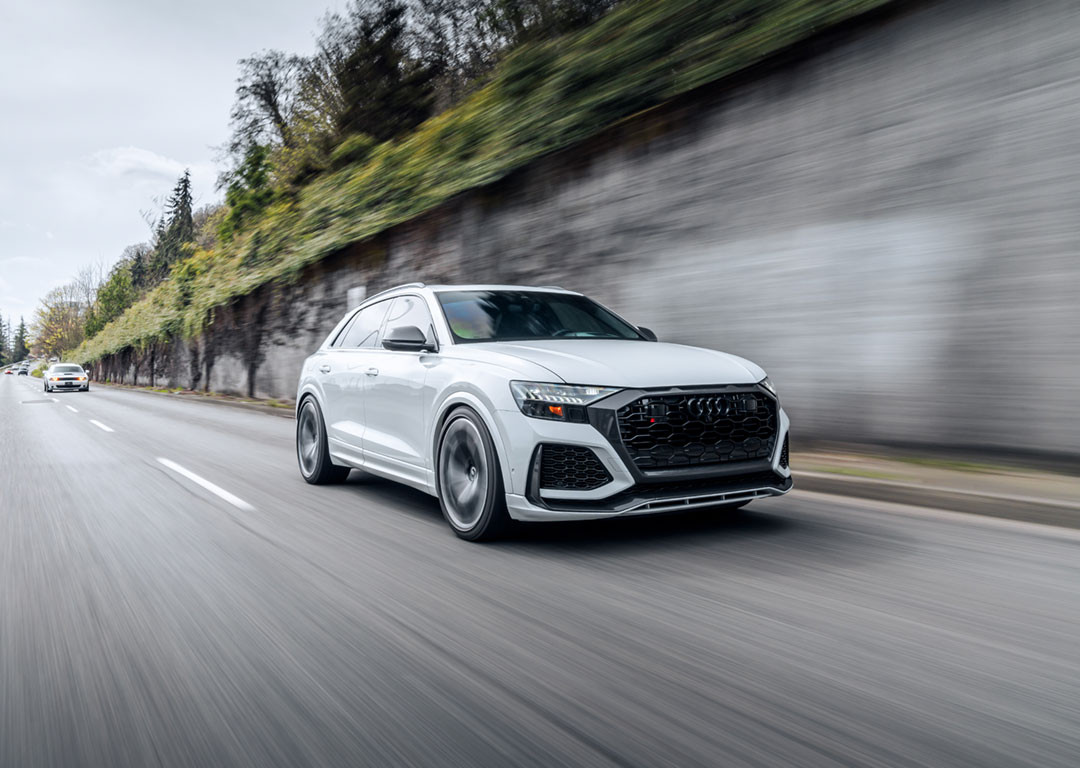
Audi RS Q8 | Photo: Brandon Woyshnis - stock.adobe.com
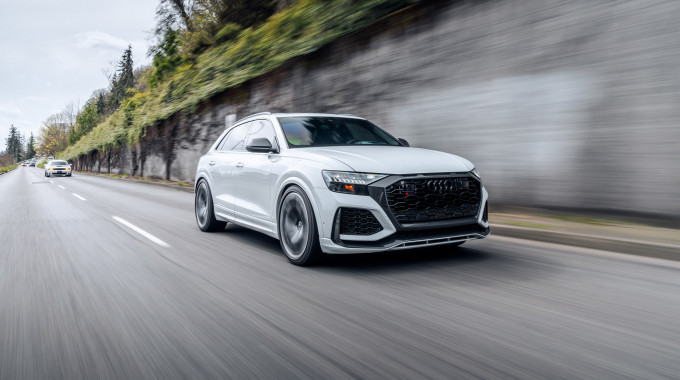
Audi RS Q8 – 591 horsepower. Related to the Lamborghini Urus under the skin, the RS Q8 uses a twin-turbo 4.0-litre V8 making 591 horsepower and 590 lb-ft of torque, with 0-100 km/h in 3.8 seconds. It holds up to five and can tow up to 7,700 lbs, all while looking almost like a sleeper on the street compared to its flashier Italian cousin.
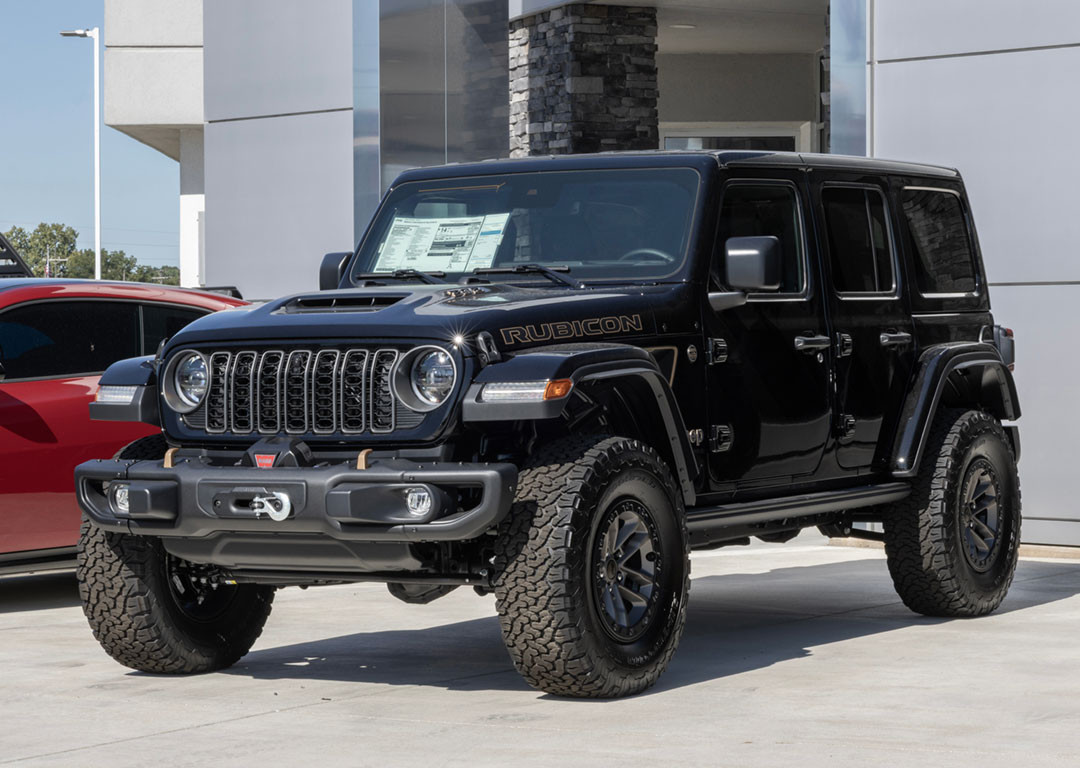
Jeep Wrangler Rubicon 392 | Photo: jetcityimage - stock.adobe.com
Jeep Wrangler Rubicon 392 – 470 horsepower. The "392" refers to the cubic-inch displacement of its 6.4-litre Hemi V8, making 470 horsepower and a matching 470 lb-ft of torque. It's genuinely capable off-road, with beadlock-capable wheels and all the important 4x4 hardware, though pricing pushes close to $110,000.
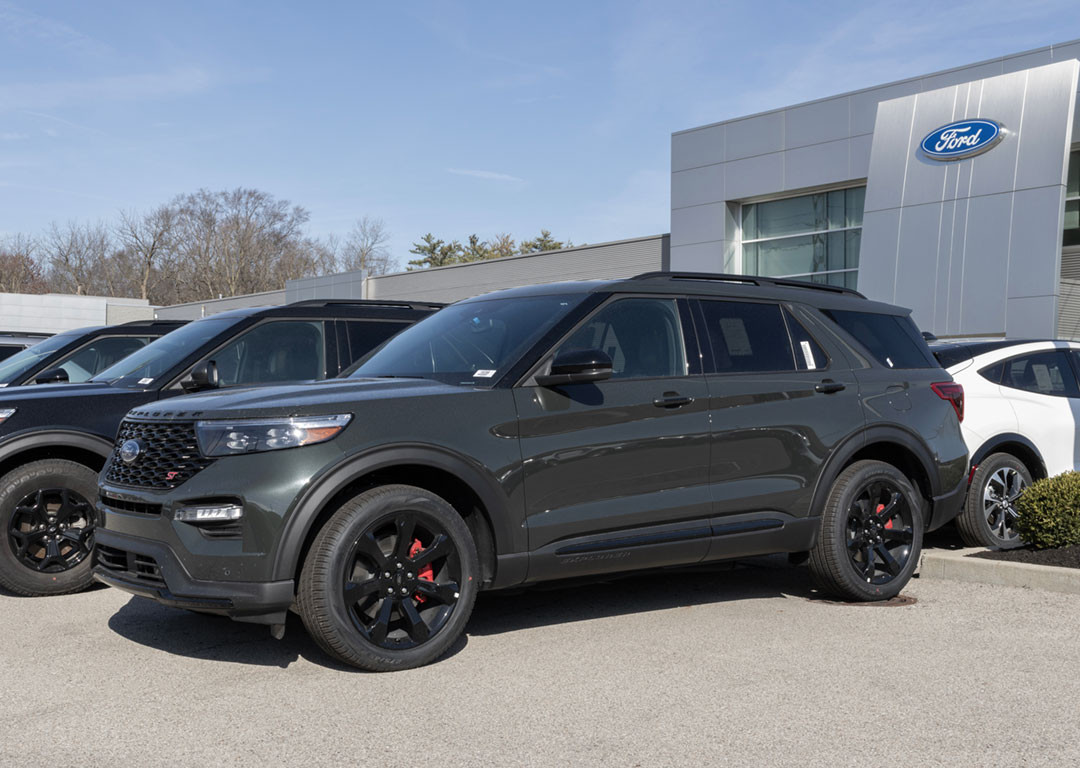
Ford Explorer ST | Photo: jetcityimage - stock.adobe.com
Ford Explorer ST – 400 horsepower. The most attainable SUV on this whole list, the Explorer ST uses a turbocharged 3.0-litre EcoBoost V6 making 400 horsepower and 415 lb-ft of torque, starting around $64,000. It still seats three rows and can tow up to 5,600 lbs. The Explorer's 3-row option also earns it a spot on our list of the best 7-seater SUVs.
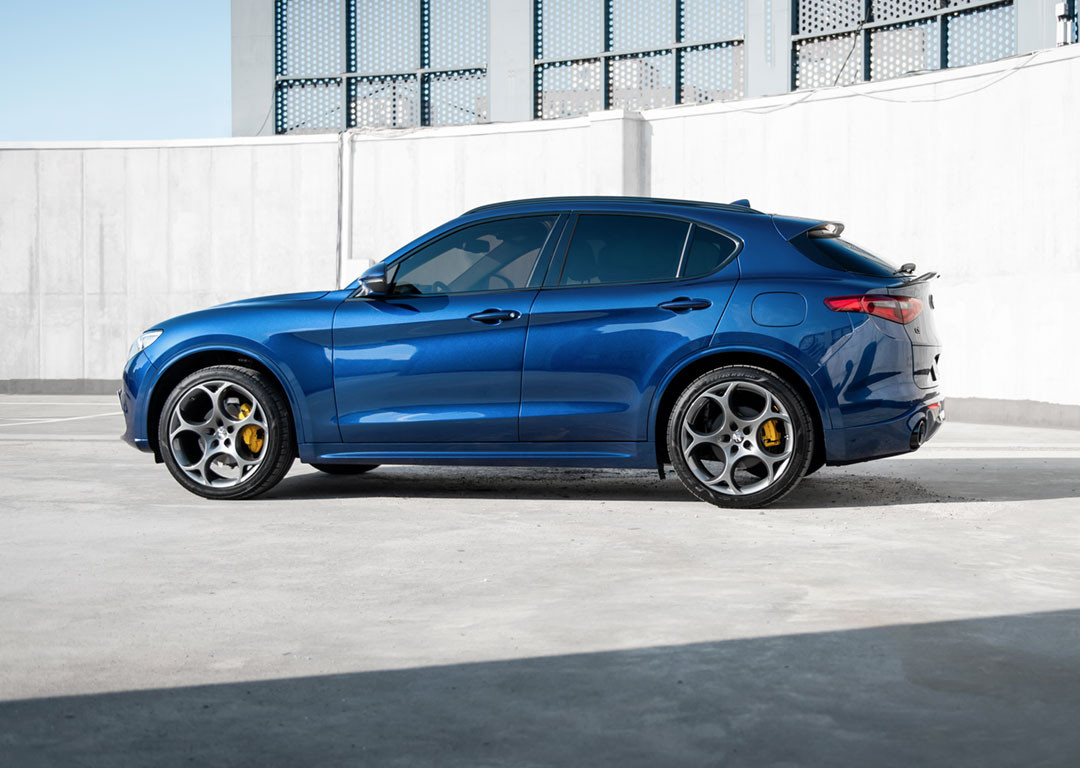
Alfa Romeo Stelvio | Photo: andrbk - stock.adobe.com
Alfa Romeo Stelvio – 280 horsepower (base only for 2026). The 505-horsepower Quadrifoglio V6, borrowed from Ferrari, was discontinued in 2024, leaving only the base turbo-four Stelvio for now. It's not the powerhouse it used to be, but Alfa has promised the Quadrifoglio badge will return on an electrified platform, so this is one nameplate worth watching over the next couple of model years.
Best Electric Performance SUVs for 2026
An electric SUV doesn't need a bigger engine to go faster, it just needs a bigger battery and more power sent to the wheel drive system, and 2026 is the year that argument became impossible to ignore. Electric motors deliver maximum torque the instant you press the pedal, which is why even mid-range electric SUVs can out-accelerate gas-powered performance cars costing twice as much.
The Hyundai IONIQ 5 N is Canada's first genuinely track-focused electric SUV, and it might be the most fun of the bunch. Dual motors make 601 horsepower normally, jumping to 641 with the N Grin Boost button, enough for 0-100 km/h in 3.4 seconds. What sets it apart from other electric SUVs isn't the raw number, though, it's the tech features built to fake the feeling of a gas car: N e-Shift simulates an 8-speed dual-clutch transmission complete with fake shift shudder, N Active Sound+ pipes in an artificial engine note, and a dedicated N race mode sharpens the steering and throttle response for track days. It starts at roughly $78,199 in Canada, about $18,000 more than a standard IONIQ 5, and Hyundai's 800V architecture means an 18-minute charge from 10 to 80 percent.
The Porsche Cayenne Electric lineup now spans three distinct personalities: the 435-horsepower base Cayenne Electric, the 657-horsepower Cayenne S Electric, and the range-topping 1,139-horsepower Cayenne Turbo Electric. All three share a 108-kWh battery and support up to 400-kW DC fast charging, so buyers get exceptional performance without an anxiety-inducing electric range. Compared to the Lamborghini Urus or the Hyundai, the Cayenne Electric leans into steering feel and chassis poise over outright drama, which is a compelling blend if you want your performance SUV to feel like a proper sports car on a back road, not just a straight-line missile.
Other electric competitors worth cross-shopping include the Kia EV6 GT and the Tesla Model X Plaid, the latter of which remains one of the quickest SUVs sold anywhere, gas or electric, thanks to a three-motor setup pushing over 1,000 horsepower. If straight-up efficiency matters more than outright power, our guide to the cheapest electric cars in Canada is worth a look before you commit to a six-figure performance EV.
One thing worth keeping in mind before buying any electric performance SUV in Canada: fast public charging isn't as universal here as it is in the U.S. or parts of Europe, especially outside major cities. A huge range and an 800V charging architecture, like the ones in the Hyundai and Porsche, make road trips far less stressful, but it's still worth mapping out charging stops on longer drives rather than assuming a station will be available exactly when you need one.
Best Hybrid Performance SUVs for 2026
A plug-in hybrid electric vehicle (PHEV) pairs a gas engine with a battery-powered electric motor that can be charged from a wall outlet, letting the SUV drive on electricity alone for a limited electric range before the gas engine takes over. In the performance SUV world, this combination usually means more power, not less, since the electric motor fills in torque at low speeds while the gas engine handles sustained high-speed driving.
The BMW XM pairs a TwinPower Turbo V8 with a plug-in hybrid system for a combined 738 horsepower, positioning it at the very top of the luxury hybrid performance SUV field. It offers roughly 48 km of electric-only driving, a comfortable ride from its adaptive air suspension, and a genuinely upscale cabin with vintage leather and a Bowers & Wilkins sound system, all for around $160,000 USD in its Label trim.
As covered above, the Lamborghini Urus SE is now Lamborghini's only Urus, and its hybrid powertrain actually out-powers the gas-only versions it replaced, with 789 combined horsepower and about 56 km of electric range.
Land Rover offers two different takes on electrified performance. The Range Rover Sport P550e uses a mild-hybrid inline-6 for everyday comfort and roughly 80 km of electric range, while the more hardcore Defender OCTA pairs a twin-turbo 4.4-litre BMW-sourced V8 with mild-hybrid assistance for 626 horsepower and genuine off-road credibility, including 1 metre of wading depth. Porsche's own Cayenne Turbo S E-Hybrid supplements a twin-turbo V8 with an electric motor for up to 670 combined horsepower, making it more powerful, if not necessarily quicker, than the gas-only Cayenne Turbo GT.
If a hybrid crossover feels like the sweet spot between electric range and everyday practicality, our list of the best plug-in hybrid SUVs in Canada covers more mainstream options as well.
Best Luxury Performance SUVs for 2026
Not every buyer in this segment is chasing a quarter-mile time. Plenty just want a properly luxurious SUV that also happens to be genuinely fast, and a handful of nameplates define that combination better than any other car on the road.
The Mercedes-AMG G 63 remains the benchmark. Its twin-turbo 4.0-litre V8 makes 577 horsepower and 627 lb-ft of torque, enough for 0-100 km/h in 4.2 seconds, but the appeal has never really been about the numbers. The G-Class's boxy, upright silhouette is instantly recognizable, and Mercedes prices the 2026 lineup from about $153,900 USD for the base G550 up to $195,500 for the G63. Nearly every other luxury automaker, from Land Rover to Aston Martin, is still building something to try to steal its crown.
The Range Rover Sport SV is Land Rover's most direct answer, using a specially tuned 4.4-litre twin-turbo BMW V8 with mild-hybrid assistance for 626 horsepower and 553 lb-ft of torque, 0-100 km/h in about 3.6 seconds, and a top speed of 290 km/h. Land Rover calls it the most dynamic Range Rover it's ever built, and it holds its own against the Porsche Cayenne Turbo GT and the Lamborghini Urus while keeping the composed ride quality and precise steering Range Rover buyers expect.
The Aston Martin DBX lineup and the Ferrari Purosangue, both covered above, round out the luxury conversation. Both offer a driving experience and a level of interior craftsmanship few other competitors can match, though both also carry price tags to match. The Bentley Bentayga Speed and Rolls-Royce Cullinan Black Badge lean even further into bespoke luxury over outright track ability, with hand-finished cabins and near-unlimited personalization options.
Choosing between them usually comes down to personality more than horsepower. The G 63 is loud, boxy, and unmistakable; the Range Rover Sport SV is quieter and more athletic on a winding road; the DBX707 splits the difference with a genuinely sporty driving feel wrapped in a more restrained, understated shape. None of them is objectively the best performance SUV, they're simply built around different ideas of what a properly luxurious SUV should feel like from behind the wheel.
If none of that quite makes sense for your budget or your driveway, it's worth remembering that plenty of mainstream SUVs deliver a comfortable ride and a genuinely good driving experience without the six-figure price tag. The Honda Passport, for example, is a practical, well-rounded family SUV, not a performance model by any stretch, but it's a useful reminder that you don't need 700 horsepower to enjoy driving your SUV every day.
Comparative Performance: How These SUVs Stack Up
With so many powertrains now competing for the same buyers, it helps to see the numbers side by side. Here's how some of the most powerful SUVs available in Canada compare on horsepower, acceleration, and starting price.
| Model | Powertrain | Horsepower | 0-100 km/h | Starting Price (approx.) |
|---|---|---|---|---|
| Porsche Cayenne Turbo Electric | Electric | 1,139 hp | 2.4 sec | $165,000 USD |
| Lamborghini Urus SE | Plug-in hybrid | 789 hp | 3.4 sec | $270,000+ USD |
| BMW XM | Plug-in hybrid | 738 hp | ~3.7 sec | $160,000 USD |
| Ferrari Purosangue | Gas (V12) | 715 hp | ~3.3 sec | $429,000+ USD |
| Dodge Durango Hellcat | Gas (V8) | 710 hp | 3.5 sec | ~$95,000 USD |
| Hyundai IONIQ 5 N | Electric | 641 hp | 3.4 sec | $78,199 CAD |
| Range Rover Sport SV | Gas (mild-hybrid V8) | 626 hp | 3.6 sec | $219,500 USD |
| Mercedes-AMG G 63 | Gas (V8) | 577 hp | 4.2 sec | $195,500 USD |
| Ford Explorer ST | Gas (V6) | 400 hp | ~5.9 sec | ~$64,000 CAD |
Pricing is approximate and shown in the currency most commonly quoted by each automaker at the time of writing; actual Canadian pricing may vary by trim and region.
A few patterns stand out. Electric motors currently deliver the single fastest 0-100 km/h times in the segment, but gas and hybrid V8s still dominate when it comes to sustained top speed and that unmistakable exhaust note. Hybrids like the Urus SE and BMW XM manage to combine more power than their gas-only predecessors with a genuine electric range for short trips, arguably the most compelling blend of the three approaches right now.
Innovations Driving Today's Performance SUVs
What's actually changed under the skin to make one SUV feel so different from another? A few innovations show up across nearly every model on this list.
Electrification for more power, not just efficiency. A decade ago, hybrid powertrains in SUVs were mostly about better fuel economy. Today, brands like Lamborghini, BMW, and Porsche use electric motors specifically to add more power and more speed than a gas engine could deliver alone, while also unlocking a short electric range for daily commuting.
Smarter all-wheel drive systems. Nearly every SUV here uses some form of torque vectoring, a system that sends more power to individual wheels for sharper cornering, rather than splitting power evenly front to rear. Combined with rear-wheel steering on models like the Bentayga Speed, it lets a 2.5-tonne SUV change direction with a precision that would have been unthinkable a generation ago.
Adjustable ride quality. Active air suspension and adaptive dampers, standard on nearly everything from the Cadillac Escalade-V to the Range Rover Sport SV, let a single SUV switch between a genuinely comfortable ride for the daily commute and a much stiffer, track-ready setup at the push of a button.
Dedicated race and drift modes. Where older performance SUVs offered a simple Sport button, most 2026 models include a fully custom race mode, or in Bentley's case, a drift-friendly ESC Dynamic setting, that adjusts steering weight, throttle response, and stability control all at once.
Cutting-edge tech features. The infotainment system in a modern performance SUV does a lot more than play music. Real-time G-force meters, lap timers, launch control countdowns, and simulated gearshifts, like the Hyundai's N e-Shift, are becoming standard tech features across the segment, blurring the line between an SUV's cabin and a proper race car's cockpit.
Together, these innovations explain why the latest generation of performance SUVs can offer exceptional performance and a comfortable ride at the same time, something that felt like a genuine contradiction just a few years ago. The best performance SUV for you ultimately comes down to whether you value outright horsepower, a huge electric range, or the kind of properly luxurious cabin that makes a long drive feel like no drive at all.
FAQ
What is the fastest SUV in Canada in 2026?
By 0-100 km/h time, the Porsche Cayenne Turbo Electric is currently the quickest, hitting 100 km/h in about 2.4 seconds thanks to its 1,139-horsepower electric powertrain.
What is the most powerful electric SUV you can buy?
The Porsche Cayenne Turbo Electric holds that title in Canada, though the Tesla Model X Plaid and Hyundai IONIQ 5 N are both strong, more attainable alternatives.
Are performance SUVs practical for everyday driving?
Many are. Models like the Dodge Durango Hellcat, Ford Explorer ST, and Range Rover Sport SV still offer three-row seating options, real cargo space, and all-wheel drive, so you don't have to give up practicality entirely for extra power.
What's the difference between a performance SUV and a regular SUV?
A performance SUV typically gets a more powerful engine or electric motor, a stiffer or adjustable suspension, larger brakes, and a dedicated all-wheel drive system tuned for handling rather than just traction, on top of whatever the standard version of that SUV already offers.
Can I finance a performance SUV through Canada Drives?
Canada Drives helps match Canadians with local dealerships and financing options for all kinds of vehicles, including used performance SUVs. Get pre-approved to see what you qualify for before you start shopping.
Do performance SUVs hold their value?
It varies widely by brand. Porsche and Land Rover models tend to depreciate more slowly than ultra-low-volume exotics like the Ferrari Purosangue or Aston Martin DBX, which can lose value quickly once a newer model or special edition arrives.
People Also Ask
Which SUV has the highest horsepower in the world? The Porsche Cayenne Turbo Electric currently tops the list at 1,139 horsepower, ahead of hybrid rivals like the Lamborghini Urus SE.
Is the Range Rover Sport SV faster than the Mercedes-AMG G 63? Yes. The Range Rover Sport SV's 626 horsepower and 3.6-second 0-100 km/h time beat the G 63's 577 horsepower and 4.2-second time, though the G-Class remains the more iconic off-road nameplate.
What's the fastest SUV you can buy for under $100,000 in Canada? The Dodge Durango Hellcat and Hyundai IONIQ 5 N are both strong contenders, offering supercar-rivaling acceleration well below the six-figure mark most exotic performance SUVs command.
Do electric SUVs accelerate faster than gas SUVs? Generally, yes. Electric motors deliver maximum torque instantly, which is why EVs like the Cayenne Turbo Electric and IONIQ 5 N can out-sprint far more powerful gas-only SUVs from a standing start.
What is Ferrari's first SUV called? The Ferrari Purosangue, meaning "thoroughbred" in Italian, is the brand's first and only SUV, powered by a naturally-aspirated V12 making 715 horsepower.
Related Prompts
- "What's the most powerful SUV I can buy in Canada right now?"
- "Electric vs. gas performance SUVs: which one is actually faster?"
- "What's the best performance SUV for a daily driver with a family?"
- "How much does it cost to finance a luxury performance SUV in Canada?"
- "What are the fastest SUVs I can buy in Canada for under $100,000?"
About Canada Drives
Canada Drives helps Canadians get pre-approved for vehicle financing before they start shopping. Our online application matches drivers with local dealerships that have vehicle options for all credit situations, including bad credit or limited credit.
With one simple pre-approval, you can avoid wasted time at the dealership and shop with confidence knowing exactly what you're approved for.